07.12.2017
The Fully Funded Balance in a reserve study is often a misunderstood calculation. This presentation will help the reader of the reserve study understand this calculation to a greater degree.
The percent funded calculation in the reserve study is a useful barameter of the health of the reserve account - essentially how adequatre is the reserve account balance versus an idealized amount at a specific point in time.
We often see Homeowner's Associations making these mistakes in budgeting for their reserve account: this presentation is a brief overview of these.
Budgeting for reserve expenses is not as easy as looking to the past. This is a common mistake that Boards make. As we'll show in this Blog post the real cost are in the future not the past. It's just the nature of buildings and how they age.
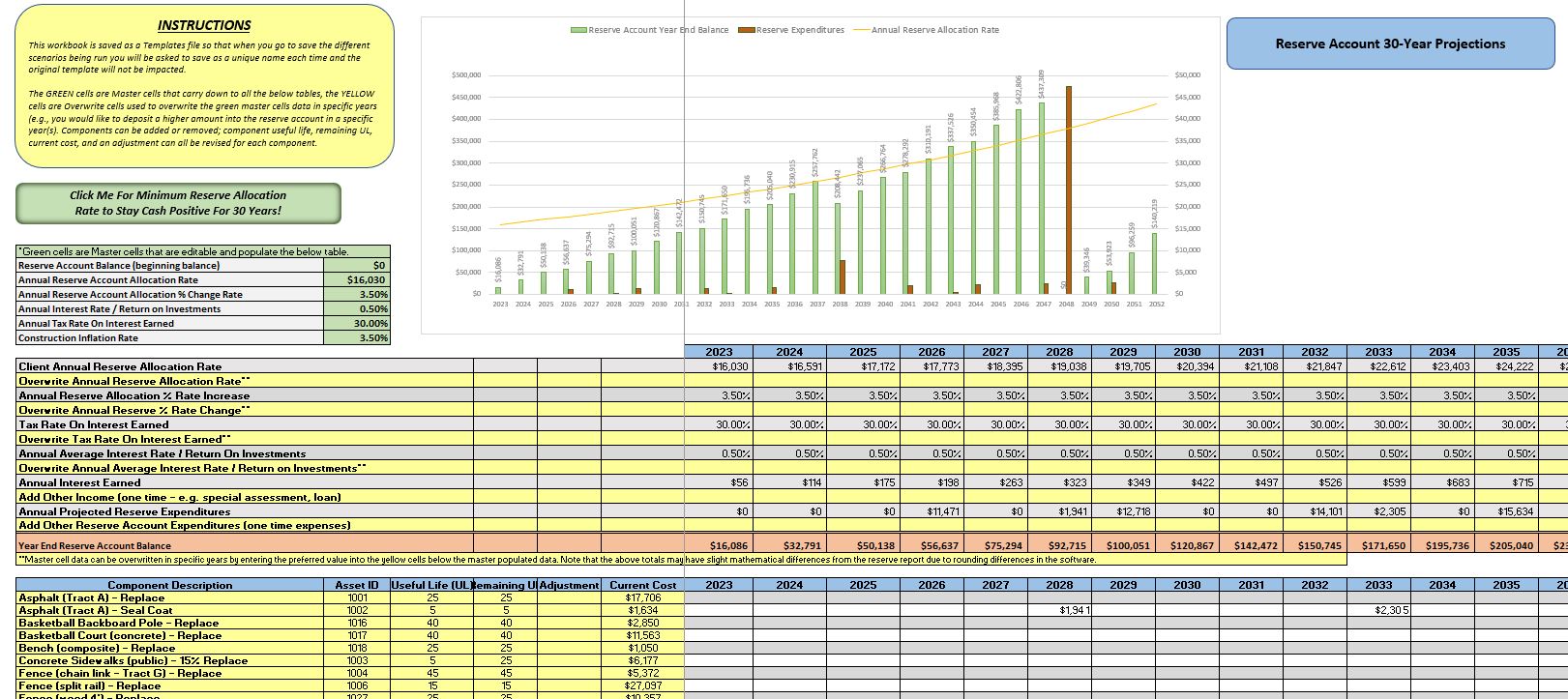
Reserve budgeting can be challenging and unrewarding due to constant pressure to keep dues low. From what we have seen over the years a community and its Board is best served by taking a Day One approach to their funding strategy versus a One Day scenario.
Reserve studies can be a great tool that a communitycan utilize to make ongoing budgeting decisions related to their reserve account allocation rate. However an inaccurate or unreliable reserve study can be extremely damaging to the financial health of the reserve account.
The component list is the foundation of the rest of the reserve study. A comprehensive reserve study component list takes time and effort to develop and is based on the experience, tools and knowledge of the reserve analyst. We touch on a real life example of a community component list that had dramatic results.

We've all seen it at one point or another. Someone skips out on paying for something. It could be a meal or it could be reserve funds for common interest communities. It sounds harsh but the reality is that Dining & Dashing is very similar to underfunding a reserve account; using common areas (often for years) then skipping out on the bill.